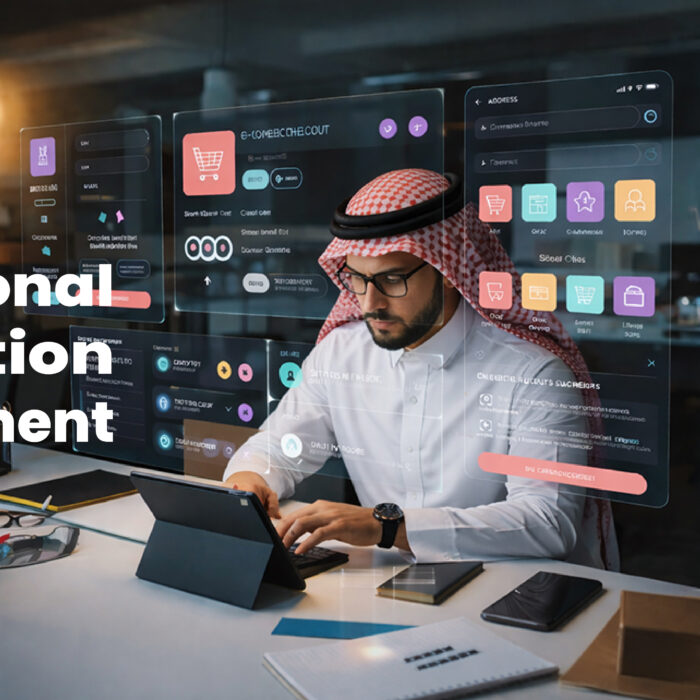

Across Saudi Arabia, digital transformation has moved from being a strategic ambition to becoming an operational requirement. Businesses are no longer asking whether technology matters. They are asking how quickly they can modernize without disrupting daily operations, how to improve efficiency while controlling cost, and how to build systems that support long-term growth. This is exactly why demand for digital transformation services Saudi Arabia continues to grow across industries.
For many organizations, transformation starts with a clear business problem. It may be slow internal approvals, disconnected systems, poor reporting visibility, fragmented customer journeys, paper-heavy processes, weak data flow, or limited scalability. In other cases, the challenge is broader: leadership wants to create a more agile, more digitally capable business that can compete in a fast-changing market. In both situations, success depends on more than new software. It depends on a structured transformation approach.
A strong digital transformation program should improve how the business works, not just change the tools it uses. That means aligning technology with operations, people, governance, and performance expectations. In the Saudi market, that alignment is becoming increasingly important as organizations seek stronger digital maturity and more resilient operating models.
Why Digital Transformation Matters in Saudi Arabia
The Saudi business environment is evolving quickly. Organizations are expanding, customer expectations are rising, and leadership teams want better visibility across operations. Companies that still depend on manual workflows, isolated departments, or outdated platforms often struggle to move at the speed the market now demands.
This is where digital transformation Saudi Arabia becomes a practical business conversation rather than a broad strategic slogan. Businesses are looking for ways to reduce administrative complexity, improve decision-making, strengthen service delivery, and create more connected operational environments.
The strongest transformation efforts are usually driven by real business objectives. A company may want to improve customer response time, automate approval workflows, modernize reporting, build connected platforms, or reduce dependency on paper-based processes. In many cases, transformation also supports stronger control, easier scaling, and better coordination across departments.
Digital Transformation Services Saudi Arabia: What Businesses Should Expect
The value of digital transformation services Saudi Arabia lies in the ability to connect business strategy with practical execution. A credible service provider should not simply recommend tools. They should understand how the organization operates, where the bottlenecks exist, what the priority workflows are, and how technology can create measurable business value.
Well-structured digital transformation services Saudi Arabia often include process assessment, solution design, system selection, workflow automation, platform implementation, integration planning, data visibility improvement, change support, and long-term optimization. Depending on the business, the engagement may cover CRM, ERP, portals, document management, analytics, mobile applications, cloud infrastructure, or automation initiatives.
For executive teams, the real question is not just what technology to adopt, but how to sequence and manage change. The most successful programs are phased, realistic, and focused on value delivery rather than complexity.
Saudi Arabia Digital Transformation Market and Business Priorities
The Saudi Arabia digital transformation market reflects a wide range of needs. Some businesses want to modernize internal operations. Others want to redesign customer engagement. Some need enterprise-scale platforms, while others need targeted workflow improvements that solve immediate operational pain points.
The growth of the Saudi Arabia digital transformation market is being shaped by several factors: stronger digital expectations, greater focus on operational efficiency, rising interest in automation, broader cloud adoption, and more willingness to invest in connected systems rather than isolated solutions. Businesses are also becoming more selective. They are not looking only for technical delivery. They want transformation partners that understand commercial outcomes, adoption challenges, and execution discipline.
This is especially relevant in B2B environments where projects need to balance budget control, long-term architecture, business continuity, and user acceptance. Transformation decisions are increasingly judged by operational value, not just implementation completion.
Digital Transformation Solutions in Saudi Arabia for Different Operating Models
No two businesses need the same transformation path. The right digital transformation solutions in Saudi Arabia depend on industry, business model, process maturity, internal capability, and growth objectives. A retail business may focus on connected sales and inventory workflows. A services company may prioritize CRM, approvals, and client portals. A manufacturing organization may focus on operational visibility, asset tracking, and production reporting.
The strongest digital transformation solutions in Saudi Arabia are designed around operational priorities. That may include ERP modernization, workflow automation, digital document control, data dashboards, self-service portals, HR process digitization, customer service platforms, or mobile-enabled field operations.
For some organizations, business digital transformation Saudi Arabia means redesigning the way departments interact. For others, it means creating new service channels or replacing legacy applications with more integrated digital platforms. In both cases, transformation works best when it is built around the business model rather than abstract technology trends.
End-to-End Digital Transformation in Saudi Arabia and Execution Strategy
Many companies talk about transformation in parts, but the real challenge is execution across the whole operating environment. This is why end to end digital transformation in Saudi Arabia is becoming a more relevant concept. Businesses do not want isolated improvements that create new silos. They want connected change that improves how the organization works as a whole.
A successful end to end digital transformation in Saudi Arabia often starts with assessment, followed by prioritization, roadmap design, platform decisions, integration planning, phased implementation, user adoption, and continuous improvement. This is where governance matters. Without clear sequencing and ownership, transformation projects can lose focus or create too much change at once.
Digital Transformation Services in Saudi Arabia for Real Operational Change
The most effective digital transformation services in Saudi Arabia are those that combine strategic thinking with delivery capability. Businesses need providers that can move from discovery to implementation while keeping the project practical, measurable, and aligned to real workflows.
Good digital transformation services in Saudi Arabia should help organizations understand where they are today, define where they want to go, and build a realistic path to get there. This may include integration planning, automation design, solution architecture, data structuring, and support for cross-functional adoption.
Saudi Arabia Vision 2030 Digital Transformation and Long-Term Direction
The broader context also matters. Saudi Arabia vision 2030 digital transformation has created a strong national direction toward modernization, innovation, service improvement, and digital capability. This has influenced both public and private sector priorities by encouraging better digital infrastructure, stronger service models, and more technology-enabled operations.
For many businesses, Saudi Arabia vision 2030 digital transformation is not just a policy backdrop. It shapes expectations around modernization, competitiveness, and digital readiness. It also reinforces why businesses are investing in scalable, structured, and future-oriented transformation programs.
Scalable and Sector-Specific Transformation in Saudi Arabia
For growing companies, scalability is essential. Scalable digital transformation Saudi Arabia means building systems and processes that can grow with the organization instead of needing to be replaced every time complexity increases. That is particularly important for multi-branch businesses, fast-growing service companies, and organizations expanding their operational footprint.
Transformation also varies by industry. Retail, healthcare, construction, professional services, manufacturing, logistics, education, and government-linked environments all have different priorities. This is why Saudi Arabia digital transformation initiatives are often shaped by sector-specific operational goals rather than generic digital aspirations.
Some businesses also examine public examples or large-scale cases such as saudi electricity company digital transformation to understand how major organizations approach modernization, service improvement, and large operational change. These examples can help frame transformation as a long-term business discipline rather than a single project.
At a broader level, vision 2030 digital transformation Saudi Arabia continues to influence how organizations think about competitiveness, citizen and customer experience, data, efficiency, and innovation. The business case for transformation is becoming stronger, not weaker.
Choosing the Right Partner for Transformation
A transformation partner should offer more than technical implementation. They should understand business design, governance, integration, change sequencing, and long-term support. The right provider should be able to connect strategic priorities with practical delivery.
This may include support across the ERP implementation life cycle, custom platform development, or workflow automation. Some businesses may need custom web applications Saudi Arabia to support customer or internal journeys. Others may want the strength of a broader software development company in Saudi Arabia for enterprise build and integration work. More specialized needs may require tools such as the best api integration software, support from a SharePoint online portal consultant, or workflow optimization through a Microsoft Power Automate Expert. User experience also matters, particularly in customer-facing initiatives, which is why some organizations evaluate design support such as a UI/UX design company in Dubai when regional delivery is involved.
Conclusion
Digital transformation is no longer a future agenda item. It is a present-day business priority for organizations that want stronger efficiency, better visibility, improved service delivery, and long-term scalability. In Saudi Arabia, the momentum behind digital change continues to grow across sectors and business sizes.
The right digital transformation services Saudi Arabia should help organizations move beyond isolated tools and build a more connected operating model. Whether the goal is workflow automation, platform modernization, enterprise integration, customer experience improvement, or broader transformation strategy, success depends on choosing practical, business-led solutions that can deliver measurable value over time.
FAQ Section
What digital transformation services are available in Saudi Arabia?
Digital transformation services in Saudi Arabia may include business process assessment, workflow automation, ERP and CRM implementation, digital portals, document management, analytics, cloud modernization, mobile applications, integrations, and change support. The exact scope depends on the company’s business goals and operational challenges.
Why is digital transformation important for businesses in Saudi Arabia?
It is important because it helps businesses improve efficiency, reduce manual effort, strengthen visibility, enhance customer experience, and create more scalable operating models. In a competitive and fast-moving market, digital maturity can directly affect growth and performance.
How can companies choose the right digital transformation services in Saudi Arabia?
Companies should start by identifying their operational pain points, growth goals, internal capability, and technology gaps. The right provider should understand business processes, offer a realistic roadmap, and be able to deliver solutions that align with measurable outcomes.
What is scalable digital transformation in Saudi Arabia?
Scalable digital transformation means building systems, workflows, and digital platforms that can support business growth without creating new bottlenecks or needing frequent replacement. It focuses on long-term usability and flexibility.
Which industries benefit most from digital transformation in Saudi Arabia?
Retail, healthcare, manufacturing, logistics, construction, government services, education, finance, and professional services can all benefit significantly. Each sector has different priorities, but the overall value usually comes from better efficiency, visibility, and service delivery.
How does Vision 2030 support digital transformation in Saudi Arabia?
Vision 2030 supports digital transformation by promoting modernization, innovation, efficiency, service improvement, and stronger digital capability across the economy. It has encouraged organizations to invest more seriously in technology-enabled operating models.