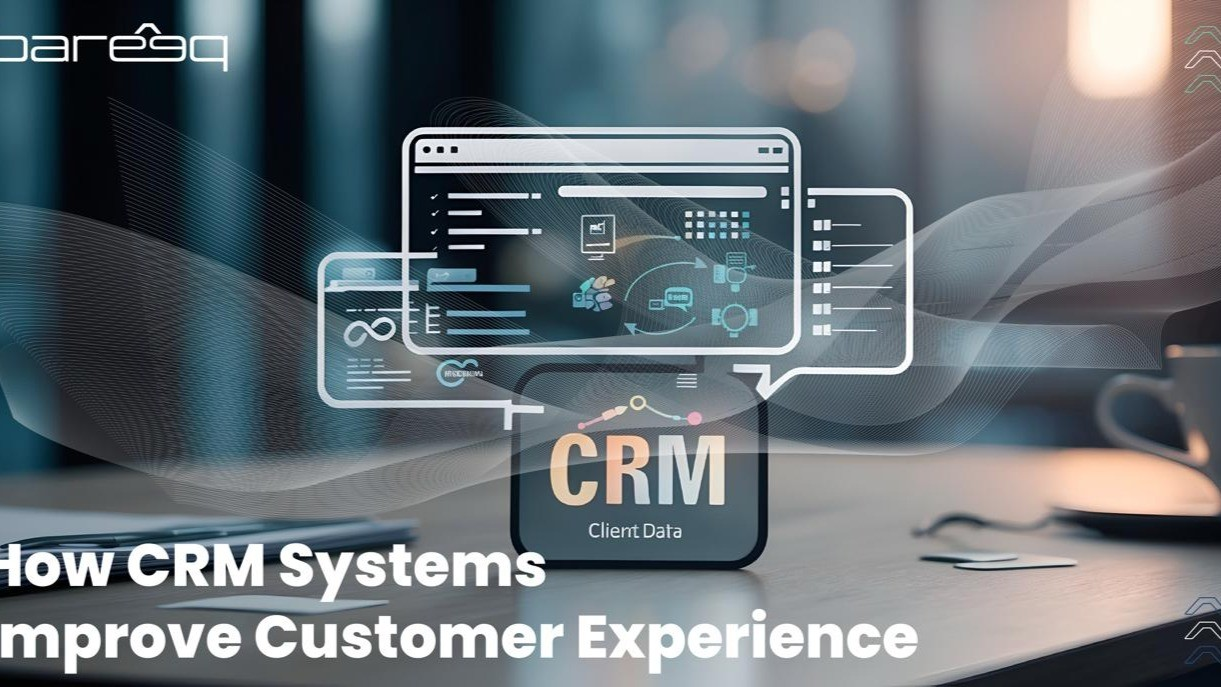
In today’s market, products can be copied and prices can be matched, but customer experience (CX)is what truly differentiates businesses. Organizations that consistently deliver seamless, personalized, and responsive experiences build stronger loyalty, higher retention, and sustainable growth.
This is where Customer Relationship Management (CRM) systems come into play. Solutions like Microsoft Dynamics 365 Customer Engagement and Salesforce are no longer just sales tools, they are central engines for customer experience transformation.
What Is CRM in the Context of Customer Experience?
A CRM system is a centralized platform that manages all customer interactions across the lifecycle, from first contact to long-term loyalty.
But modern CRM goes beyond storing data. It enables organizations to:
- Understand customer behavior
- Personalize communication
- Anticipate needs
- Deliver consistent experiences across channels
In short, CRM transforms fragmented interactions into a What Is CRM in the Context of Customer Experience?
A CRM system is a centralized platform that manages all customer interactions across the lifecycle, from first contact to long-term loyalty. But modern CRM goes beyond storing data. It enables organizations to:
- Understand customer behavior
- Personalize communication
- Anticipate needs
- Deliver consistent experiences across channels
In short, CRM transforms fragmented interactions into a connected, intelligent customer journey.
A 360° View of the Customer
A CRM consolidates customer data from various channels; sales, marketing, social media, and support into a single, unified profile.
This 360° view allows teams to understand each customer’s journey: their preferences, purchase history, and previous interactions. With this insight, businesses can anticipate needs and tailor experiences that feel personal and relevant.
Personalized Communication at Scale
Personalization isn’t about sending a name in an email. It’s about delivering the right message, through the right channel, at the right time.
CRMs use automation and segmentation to help businesses communicate with customers based on real-time triggers, whether it’s a birthday, a new purchase, or an upcoming renewal. This not only boosts engagement but also demonstrates attentiveness, building trust and loyalty over time.
Omnichannel Experience: Seamless Across All Touchpoints
Modern customers interact through multiple channels:
- Phone
- Social media
- Websites and mobile apps
CRM integrates all these channels into one platform, ensuring:
- Consistent messaging
- Unified customer history
- Smooth transitions between channels
Faster, Smarter Customer Support
When a customer reaches out, how quickly, and intelligently you respond defines your brand. CRM platforms empower support teams by providing instant access to customer histories and open cases. That means fewer repeated questions, faster resolutions, and a more seamless experience. Plus, with AI-driven insights, CRMs can even suggest responses or predict issues before they escalate, turning reactive support into proactive care.
Building Consistency Across Channels
Today’s customers interact through multiple touchpoints: websites, emails, social media, call centers, or retail locations. A CRM ensures that all those interactions are connected and consistent, no matter the platform. So when a customer chats online and later calls your support line, your team already knows the context. Consistency like this eliminates frustration and reinforces reliability—core ingredients in a great customer experience.
Driving Continuous Improvement with Data
A powerful advantage of CRM systems lies in analytics. They allow businesses to measure engagement levels, satisfaction scores, and conversion patterns in real-time. By identifying what works (and what doesn’t), organizations can continuously refine their strategies. Data-backed decisions lead to more meaningful customer connections and higher lifetime value.
Conclusion
At its core, CRM is about people, not pipelines. The technology simply amplifies what great businesses already value: understanding customers and delivering what they truly need.
When implemented thoughtfully, a CRM becomes much more than a sales tool, it’s the foundation of a customer-centric culture that turns every interaction into a moment of value.
At Bareeq Technology, we help organizations implement and optimize CRM solutions that align with their business goals, ensuring measurable impact on customer satisfaction and business performance.